Biological Indicator – An Industry-Sparking Innovation
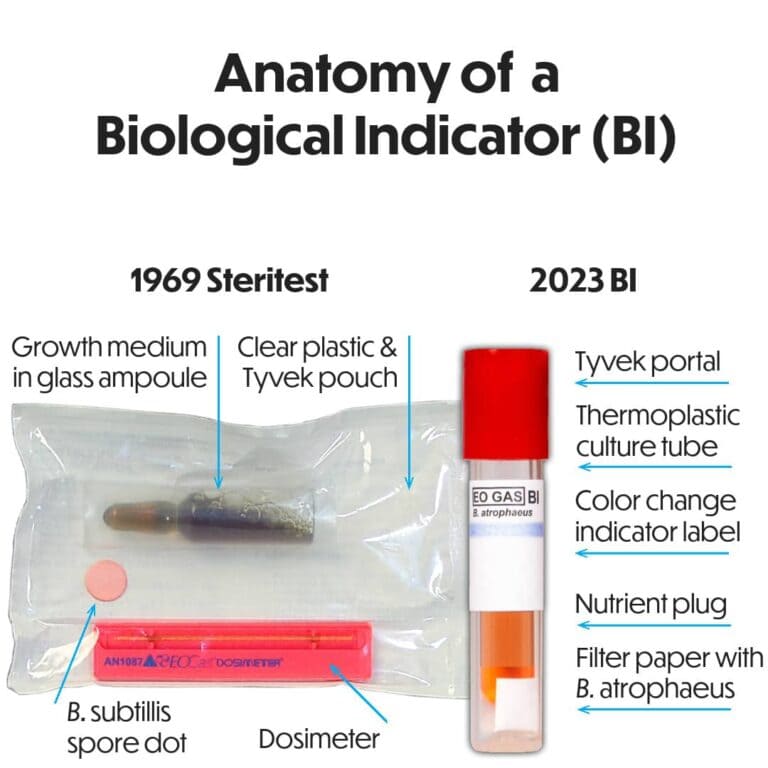
Andersen Sterilizers founder, H.W. Andersen, M.D., designed and patented the first self-contained Biological Indicator (BI) in 1969. Long after his patent expired, his invention has become an industry in and of itself.
Andersen’s Referral Program: Get Free Gas!
Andersen’s referral program: Share the love with three colleagues and get a free box of gas – a nearly $300 value! It’s nice to share.
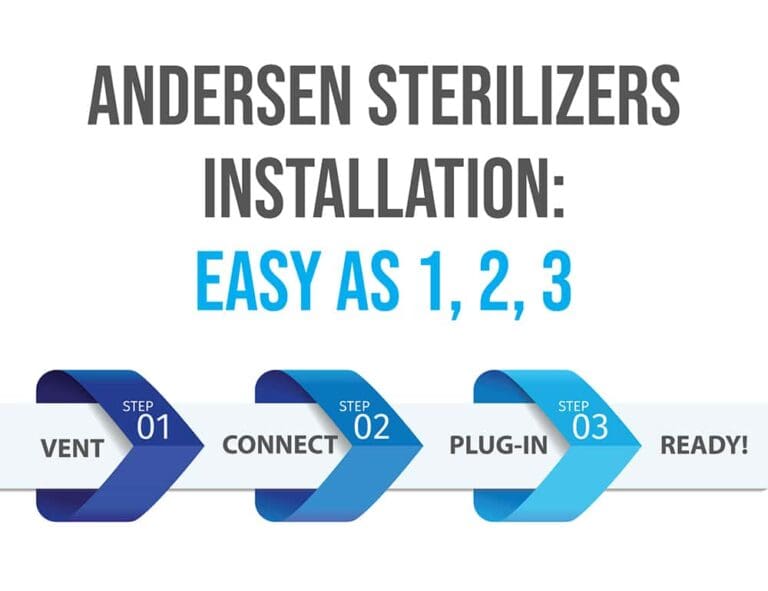
Andersen Sterilizers Installation: Easy as 1, 2, 3
You’re not going to believe how simple Andersen Sterilizer installation is. In fact, it’s the easiest in the industry! As easy as 1, 2, 3. Vent, Connect, Plug-in: Ready!
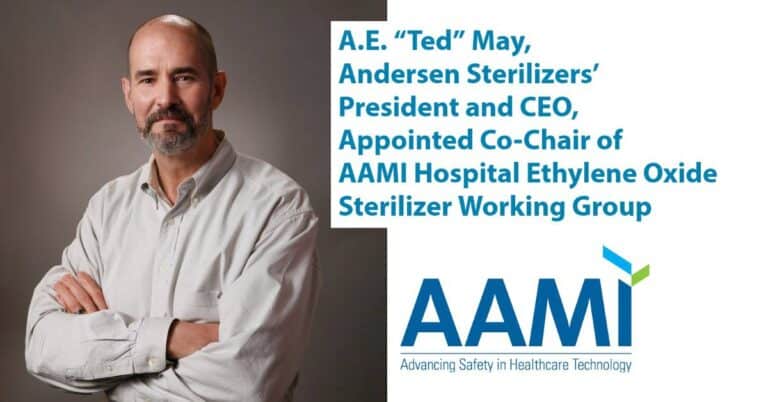
A.E. Ted May appointed Co-Chair of AAMI Committee
Andersen Sterilizers is pleased to announce its president and CEO, A.E. “Ted” May, has been appointed to a three-year term as Co-Chair of the Association for the Advancement of Medical Instrumentation (AAMI) Hospital Ethylene Oxide (EO) Sterilizer Working Group. May’s term begins September 2021.
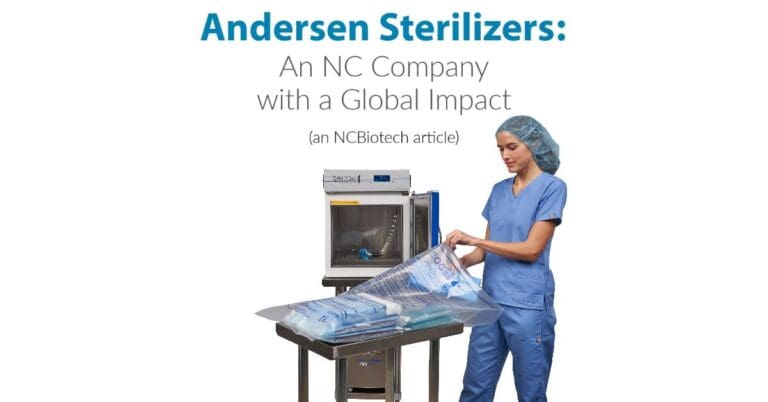
Andersen Sterilizers: A NC Company with a Global Impact
Andersen’s innovation, affordability and customer service is earning headlines! North Carolina Biotechnology Center wrote an article “Andersen Sterilizers: An NC Company with a Global Impact” published this morning.
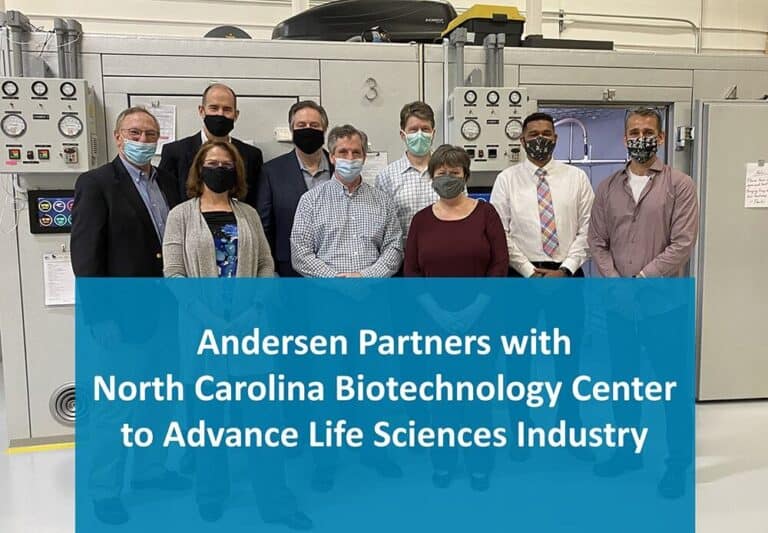
Andersen Partners with North Carolina Biotechnology Center to Advance Life Sciences Industry
Andersen recently welcomed leadership from North Carolina Biotechnology Center (NCBiotech) to tour its manufacturing campus in Haw River, NC, and industrial sterilization sister company, Andersen Scientific in Morrisville, NC. Andersen works with NCBiotech to provide critical sterilization resources for start-ups, R&D departments and companies developing strategies to bring devices to market in North Carolina.
Andersen: FDA Innovation Challenge Winner
Andersen Sterilizers is pleased to announce its sister company, Andersen Scientific, has been selected by the Food and Drug Administration (FDA) as one of eight international companies it will collaborate with in the development of strategies or technologies to reduce ethylene oxide (EO) emissions to as close to zero as possible.