
As medical devices become increasingly sophisticated, traditional sterilization methods can damage sensitive materials such as advanced polymers, fiber optics, and integrated electronics. Andersen Sterilizers addresses this challenge with its low-temperature EOGas 3 systems, which utilize Ethylene Oxide Flexible Chamber Technology (EO-FCT) to deliver terminal sterilization with deep penetration, broad material compatibility, and up to 90% less ethylene oxide than traditional EO sterilization methods.
Material Compatibility
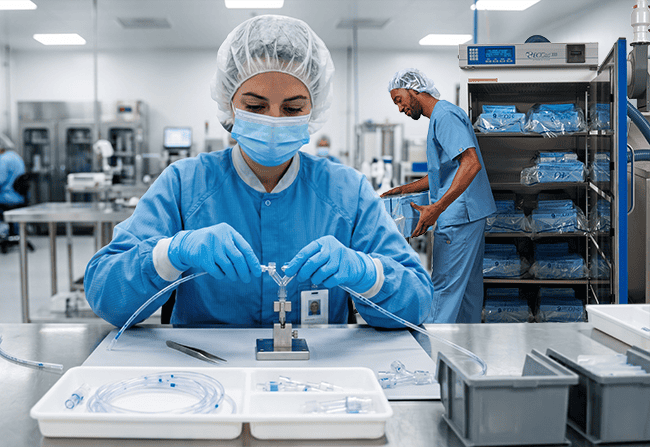
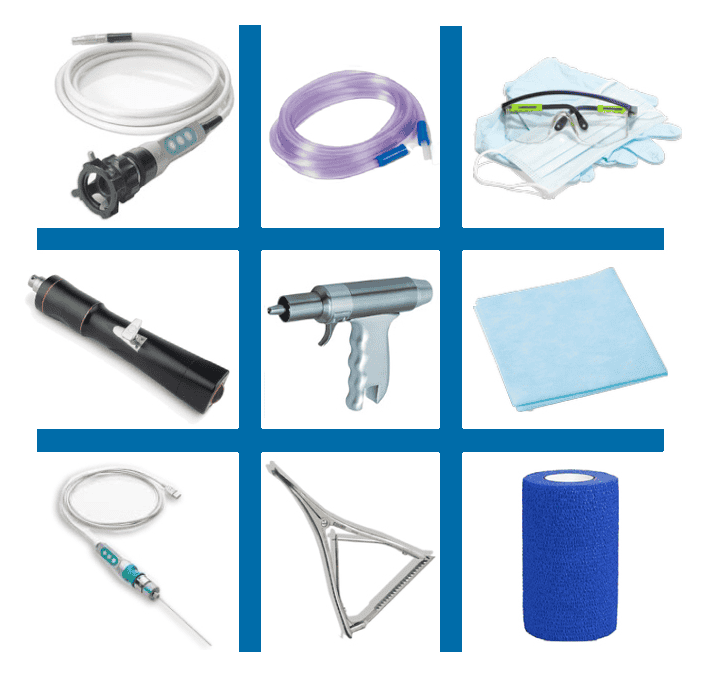
While advanced medical devices offer greater precision and functionality, their delicate materials require a sterilization process that preserves performance throughout the product lifecycle. Conventional high-temperature sterilization methods can damage heat-sensitive electronics, thermolabile polymers, bonded materials, and other critical components through excessive heat, moisture, and oxidation. These effects may lead to corrosion, material degradation, or reduced device longevity.
Ethylene oxide (EO) sterilization eliminates these risks by providing an effective low-temperature process that is gentle on sensitive materials while delivering terminal sterility. Its exceptional material compatibility also makes EO the preferred choice for sterilizing complex medical devices with intricate designs, including instruments and endoscopes with long, narrow lumens that are difficult for other sterilization methods to penetrate.
Using Andersen’s Ethylene Oxide Flexible Chamber Technology (EO-FCT), the EOGas 3 Series achieves thorough sterilant penetration throughout the chamber and into every accessible internal surface of compatible devices. This deep penetration ensures effective sterilization without exposing devices to the heat, moisture, or oxidative conditions that can compromise material integrity, helping preserve device performance, extend service life, and maintain the reliability required for today’s most advanced medical technologies.
Navigating Regulatory Requirements
As environmental regulations surrounding sterilization continue to evolve, medical device manufacturers and research facilities face increasing pressure to reduce their environmental impact while maintaining efficient sterilization processes. Meeting these regulatory requirements demands solutions that not only deliver effective sterilization but also minimize chemical emissions without disrupting productivity.
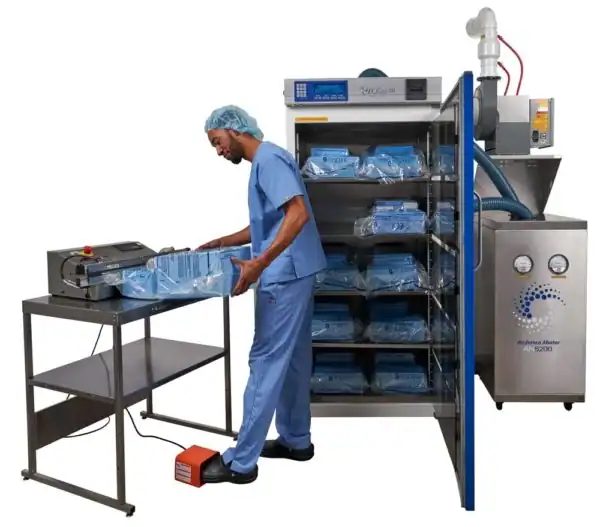
Andersen addresses this challenge by pairing the EOGas 3 with its EO Abatement System, which eliminates more than 99% of ethylene oxide emissions before they are released into the environment. Using a dry catalyst resin, the abator converts EO into biodegradable organic compounds, helping facilities significantly reduce emissions while supporting compliance with increasingly stringent environmental standards.
This commitment to sustainability begins with the sterilization process itself. Unlike conventional EO systems that typically use 100 to 170 grams of ethylene oxide per cycle, EOGas 3 systems use 10.5-gram or 17.6-gram cartridges—up to 90% less gas than many traditional sterilization methods. By combining low-dose EO technology with highly effective emission abatement, Andersen enables facilities to achieve terminal sterilization while reducing emissions and supporting both operational efficiency and environmental responsibility.
A Modern Approach to EO Sterilization
As medical devices become more sophisticated, selecting the appropriate sterilization method is increasingly important for preserving device performance, material integrity, and long-term reliability. For heat- and moisture-sensitive instruments, low-temperature EO sterilization provides an effective solution that achieves terminal sterility while protecting the delicate and complex devices used in today’s medical facilities.
Andersen Sterilizers combines small-dose, Ethylene Oxide Flexible Chamber Technology (EO-FCT), and highly effective emissions abatement to help manufacturers, healthcare facilities, and research organizations meet the demands of modern sterilization. Together, these elements support material compatibility, regulatory compliance, and operational efficiency without compromising sterilization performance.
Whether sterilizing complex medical devices, sensitive electronics, or instruments with challenging geometries, the EOGas 3 system delivers a proven, low-temperature solution designed for today’s evolving healthcare and manufacturing environments. Backed by expert technical support and decades of sterilization experience, Andersen Sterilizers helps customers implement reliable sterilization processes that protect both their devices and their investment.
Spread the Word

Expert Guidance for Your Needs
Tell us about your sterilization requirements — our experts are here to guide you to the perfect EO solution.