
Key methods of terminal sterilization play a crucial role in ensuring the safety and effectiveness of medical and industrial products. Understanding these methods is essential for professionals involved in healthcare, pharmaceuticals, and manufacturing, as they are responsible for maintaining the sterility of items that come into contact with patients or critical processes. From steam sterilization to ethylene oxide and radiation techniques, each method offers unique advantages and is suited for specific applications. In this article, explore these methods in detail, highlighting their processes, benefits, and key considerations to help you make informed decisions in your sterilization practices.
Key Takeaways
Understanding Sterilization Methods: Familiarity with different methods of terminal sterilization—such as autoclaving, ethylene oxide, dry heat, radiation, and chemical sterilization—enables professionals to select the most effective technique based on material type and application needs.
Safety and Efficacy: The choice of sterilization method is crucial in ensuring the safety and efficacy of medical devices and products, directly impacting patient health and infection control in healthcare settings.
Regulatory Compliance: Adherence to industry standards and regulatory requirements is essential for maintaining sterility, emphasizing the importance of proper validation and monitoring of sterilization processes.
Tailored Solutions: Companies like Andersen Sterilizers offer specialized gas sterilization systems across medical, veterinary, and manufacturing sectors, providing tailored solutions that meet specific sterility requirements while ensuring compliance with safety standards.
What Is Terminal Sterilization?
Terminal sterilization is the validated process of eliminating bacteria, viruses, fungi, and spores from medical devices prior to packaging and distribution. Effectiveness is measured using sterility assurance level metrics, with 10⁻⁶ representing a one-in-a-million probability of a surviving microorganism. This level of assurance is especially critical for complex devices such as endoscopes and long-lumen instruments that have been directly associated with healthcare-associated infections.
Different Key Methods of Terminal Sterilization
Healthcare and manufacturing environments rely on several terminal sterilization methods, each with specific performance characteristics and material constraints. High temperature sterilization remains foundational, but device complexity has expanded the role of gas-based and low-temperature technologies in our workflows.
1. Ethylene Oxide (EtO) Sterilization
Ethylene oxide sterilization is a low-temperature, gas-based method designed for heat- and moisture-sensitive devices. EO penetrates sealed packaging and complex lumens that high temperature sterilization methods may damage or fail to reach. Its importance increased following FDA clearance for terminal sterilization of duodenoscopes and colonoscopes, including the EOGas 4 system referenced in this FDA clearance for duodenoscope sterilization.
Process
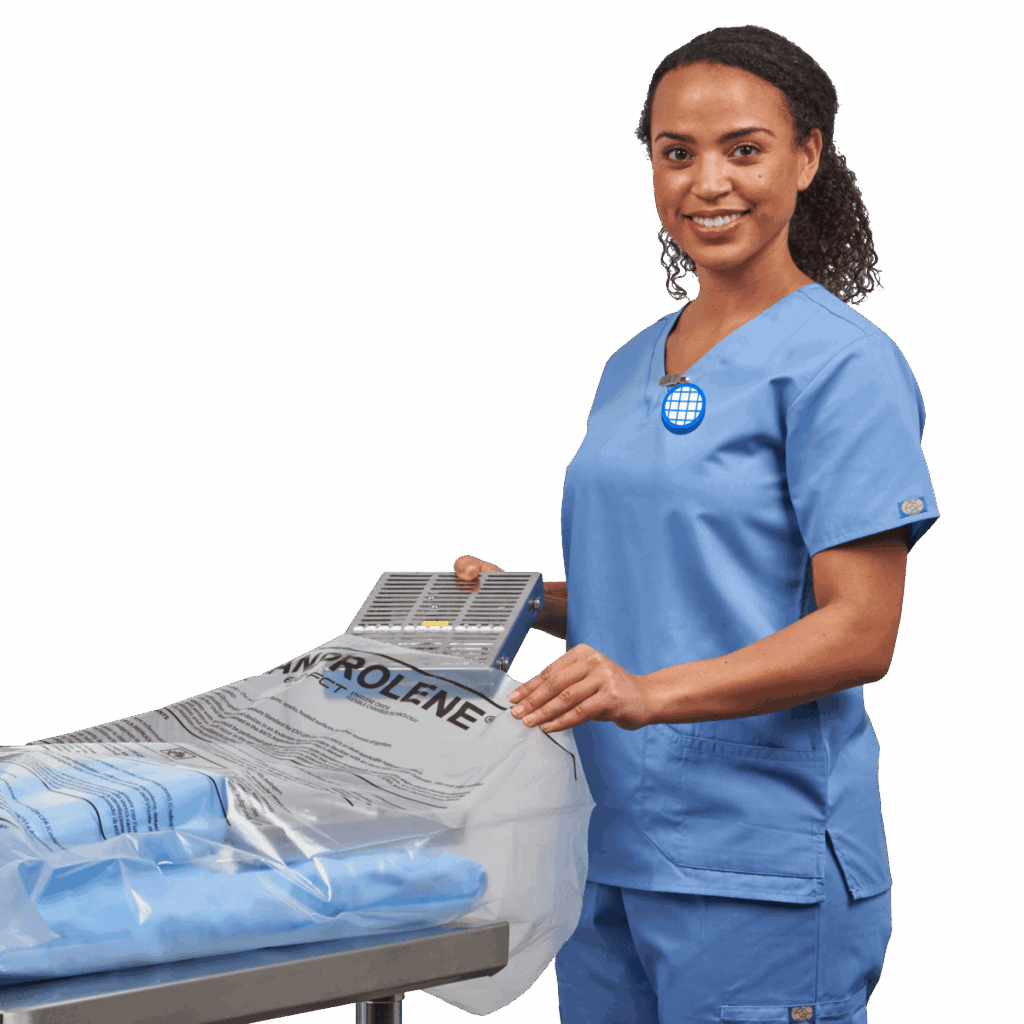
EO sterilization includes preconditioning, controlled gas exposure, and aeration. Our EO-Flexible Chamber Technology removes excess air from the sterilization liner, enabling effective gas diffusion with a micro-dose of EO while maintaining validated sterilization performance.
Advantages
Suitable for plastics, polymers, electronics, and long lumens
Achieves a validated 10⁻⁶ SAL at low temperatures
Preserves device integrity and extends instrument lifespan
Limitations
Requires post-cycle aeration to remove residual gas
We increasingly pair EO sterilization with emissions-management strategies that align with our documented approach to near-zero EO emissions in clinical environments.
2. Autoclaving (Steam Sterilization)
Autoclaving uses pressurized steam, typically between 121°C and 134°C, to achieve microbial lethality through moist heat. Steam’s rapid thermal transfer allows high temperature sterilization to reach target SALs quickly for heat-stable materials.
Process
Steam is generated and forced into a sealed chamber under pressure, ensuring uniform heat penetration throughout the load.
Advantages
Rapid cycle times
Effective for metal instruments, glassware, and textiles
No chemical residues
Limitations
High humidity accelerates corrosion
Repeated cycles damage optics and adhesives
Not suitable for moisture-sensitive devices
These risks have led us to reassess reliance on steam alone, particularly in light of concerns discussed in analyses of why terminal sterilization is required over high-level disinfection.
3. Dry Heat Sterilization
Dry heat sterilization relies on oxidation to destroy microorganisms, using temperatures between 160°C and 180°C for extended durations.
Process
Hot air circulates through an oven-style chamber, requiring longer exposure times due to the air’s low heat conductivity.
Advantages
Suitable for glassware, metal instruments, oils, and powders
No moisture involved
Limitations
Prolonged exposure to extreme heat
Increased risk of metal fatigue and loss of tempering
Limited compatibility with modern medical devices
4. Radiation Sterilization
Radiation sterilization uses ionizing radiation, such as gamma rays or electron beams, to damage microbial DNA. It is commonly used for single-use medical devices produced at scale.
Advantages
Effective for heat- and moisture-sensitive products
Penetrates sealed packaging
Limitations
Requires specialized facilities
Can degrade polymers
High cost and regulatory complexity
5. Chemical Sterilization
Chemical sterilization uses liquid or vaporized agents to eliminate microorganisms at low temperatures.
Advantages
Suitable for heat-sensitive materials
Operates near room temperature
Limitations
Reduced efficacy in the presence of organic matter
Safety and handling concerns
Limited penetration compared to EO gas
Balancing High Temperature Sterilization With Instrument Integrity
High temperature sterilization remains critical for many surgical tools, but modern operating rooms increasingly depend on robotics, fiber optics, and multi-channel endoscopes that degrade under repeated thermal stress. To manage this risk, we integrate EO sterilization into our workflows to preserve device integrity while maintaining terminal sterilization standards.
Low-temperature EO systems reduce cumulative thermal damage, extend instrument lifecycles, and support more predictable reprocessing outcomes. When evaluating these approaches, we often review available sterilization products and systems to ensure compatibility with our device inventory.
THE PERFECT COMPLEMENT TO YOUR INFECTION PREVENTION STRATEGY
As we balance high temperature sterilization with low-temperature alternatives, we recognize that steam and dry heat remain effective for heat-stable devices but can compromise complex endoscopes and sensitive instrumentation. Ethylene oxide provides a validated terminal sterilization option when thermal stress and moisture introduce unacceptable risk.
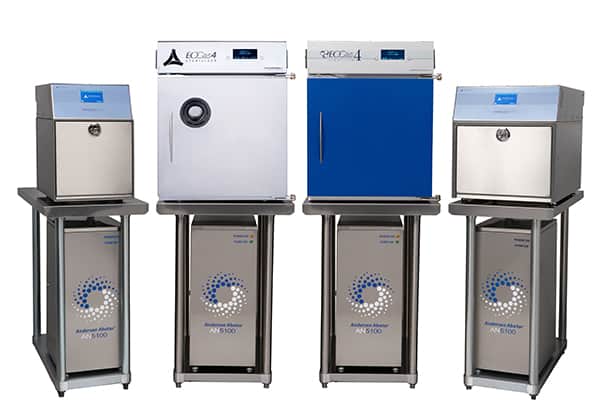
Our Ethylene Oxide Flexible Chamber Technology achieves a 10⁻⁶ Sterility Assurance Level at low temperatures using a controlled micro-dose of EO. This approach allows effective penetration of complex lumens and packaged devices while preserving material integrity. The technology is applied across systems, including AN75i, AN75j, EOGas 4, and EOGas 4 PLUS to support clinical, research, and manufacturing environments.
We hold the only FDA clearance for terminal sterilization of duodenoscopes and colonoscopes, including validation for extended lumen lengths, a milestone first established with EOGas 4 and detailed in our FDA clearance for duodenoscopes coverage. When paired with optional emissions abatement, our systems release a fraction of a gram of EO per cycle, supporting a practical path toward zero emissions.
By integrating EO sterilization alongside high-temperature methods, we help facilities match the sterilization process to the device, protect high-value instruments, and maintain consistent infection prevention standards. Our full range of terminal sterilization systems is available within our product portfolio, and our team is available to discuss how this strategy fits your workflow through direct consultation.
Selecting the Right Terminal Sterilization Strategy
Selecting the appropriate terminal sterilization method requires balancing the effectiveness of high-temperature sterilization with the need to preserve modern medical devices. As we evaluate sterilization strategies, we consider material compatibility, regulatory compliance, and long-term operational costs. Teams addressing device-specific challenges or planning next steps can begin those discussions by contacting our team.
Frequently Asked Questions
What is the significance of a 10⁻⁶ Sterility Assurance Level (SAL)?
It represents a one-in-a-million probability of a surviving microorganism and is the accepted benchmark for terminal sterilization in healthcare.
Why should facilities avoid relying solely on high temperature sterilization?
Repeated exposure to extreme heat and moisture damages modern instrumentation, increasing repair and replacement costs.
When is ethylene oxide sterilization preferred?
EO sterilization is preferred for heat- and moisture-sensitive devices, long lumens, and electronics that cannot tolerate steam or dry heat.
Does EO sterilization achieve the same sterility level as steam?
Yes. EO sterilization achieves a validated 10⁻⁶ SAL through FDA-cleared, scientifically controlled processes.
Spread the Word

Expert Guidance for Your Needs
Tell us about your sterilization requirements — our experts are here to guide you to the perfect EO solution.