
Low-Temperature Sterilization for Veterinary Practices: Reduce Costs and Extend Device Life

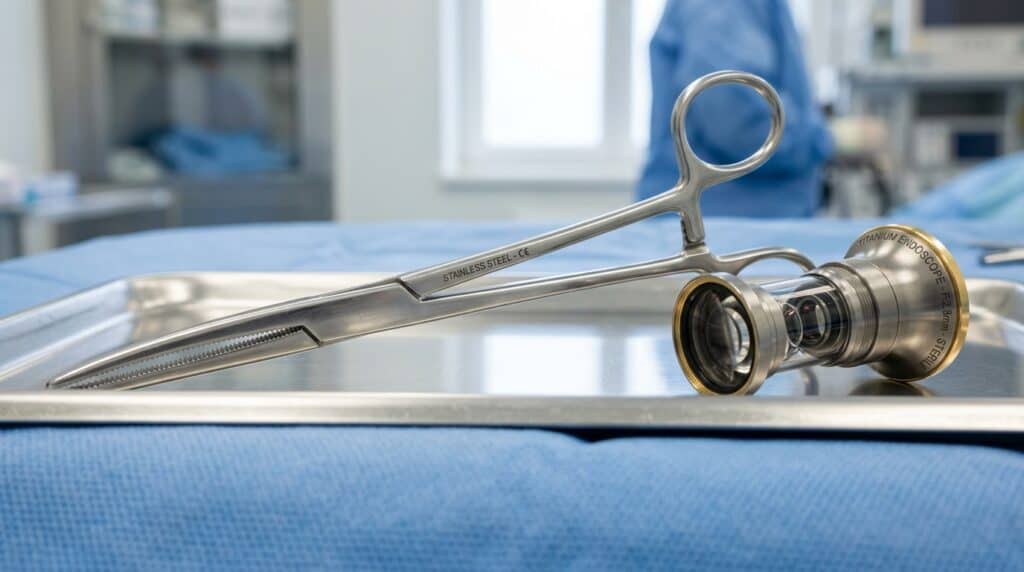
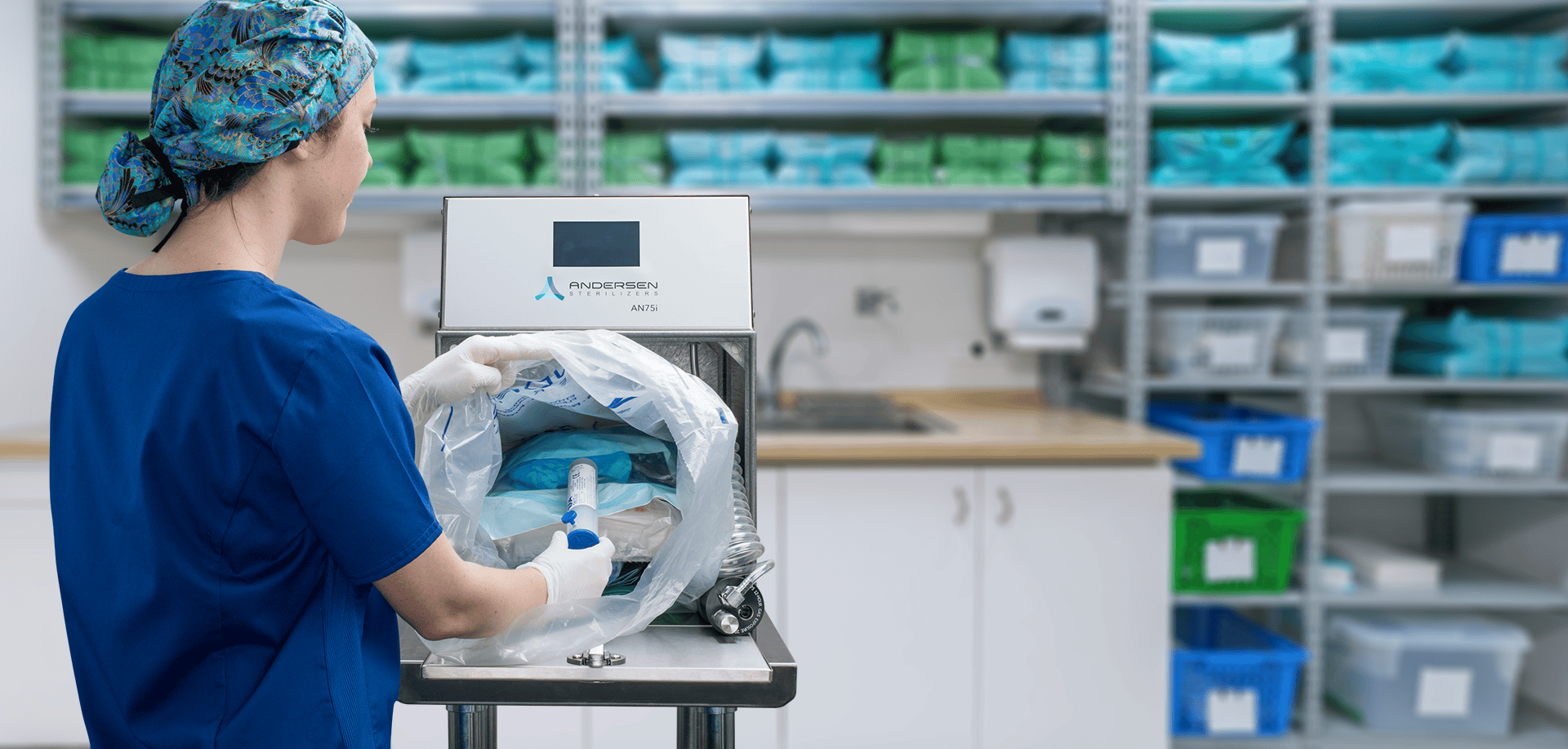
For veterinary practices, protecting the longevity of medical devices is an important part of reprocessing. Repeated exposure to high heat, steam, and harsh chemicals can damage sensitive instruments, leading to premature replacement and higher costs.
Low-temperature sterilization offers an alternative. Andersen’s technology uses a microdose of ethylene oxide (EO) and is FDA-cleared to terminally sterilize devices with long lumens and complex scopes. Its broad material compatibility helps veterinary facilities protect sensitive instruments while extending device life.
Cost-Effective Sterilization
Andersen’s AN75 series sterilizer utilizes award-winning Ethylene Oxide-Flexible Chamber Technology® (EO-FCT) to provide deep penetration and terminal sterilization while using up to 90% less ethylene oxide than traditional EO sterilization methods.
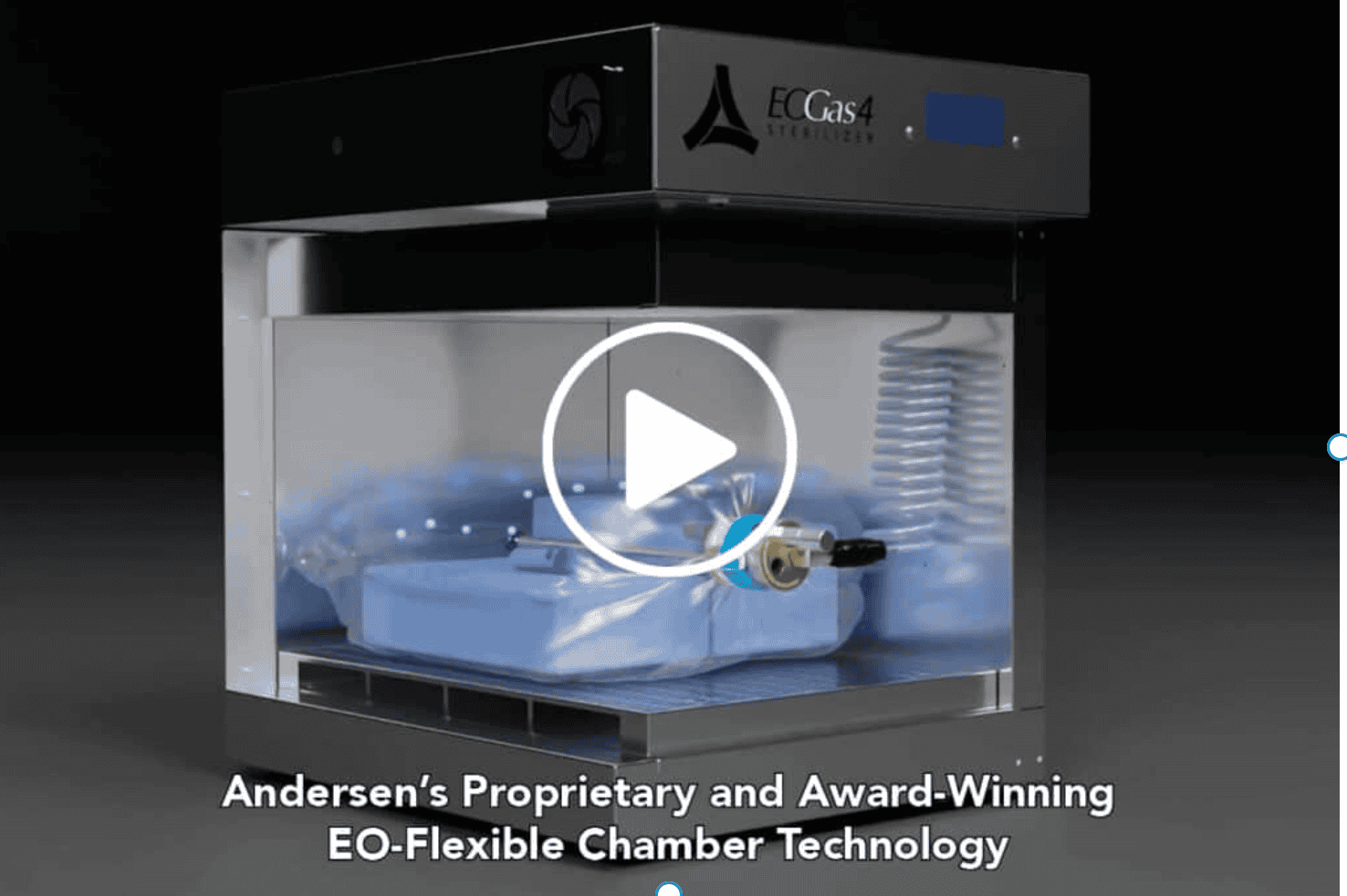
The technology is compatible with a wide range of devices, including:
- Heat-sensitive devices
- Metal devices
- Rubber-based devices
- Vessel sealing tools and cautery units
- Optical scopes and electronics
- Syringes, tubing, sutures, and needles
- Scalpels, blades, and wraps
By bringing sterilization in-house, veterinary facilities can also reduce reliance on third-party services, helping lower costs and turnaround times.
Low Dose. Low Temperature.

The AN75 uses just 17.6 grams of ethylene oxide (EO) to achieve FDA-cleared terminal sterilization at a 10⁻⁶ sterility assurance level (SAL), while operating at room temperature. This low-dose, low-temperature approach helps minimize the risk of heat-related damage and material degradation, making it ideal for delicate and sensitive devices. With broad material compatibility and simple touchscreen operation, the AN75 provides effective sterilization while helping veterinary facilities preserve their valuable instruments.
Low Emmissions. Low Aquisition Cost
Andersen sterilizers require no complicated HVAC system and use minimal energy. The AN75 series uses just 150 watts to operate—about the same as a ceiling fan, helping veterinary facilities keep energy and infrastructure costs low.
When paired with an abator, the AN75 system releases less than 0.02 grams of ethylene oxide (EO) into the environment per cycle, providing an environmentally responsible approach to low-temperature sterilization.
With low emissions, low energy consumption, broad device compatibility, and minimal maintenance requirements, Andersen’s technology helps veterinary facilities protect their instruments, protect their patients, and reduce operating costs.
Protect Your Patients, Preserve Your Instruments
Discover more about how Andersen’s low-temperature AN75 series sterilizers can help your veterinary facility extend device life, reduce costs, and support patient safety.
Spread the Word
Expert Guidance for Your Needs
Tell us about your sterilization requirements — our experts are here to guide you to the perfect EO solution.