
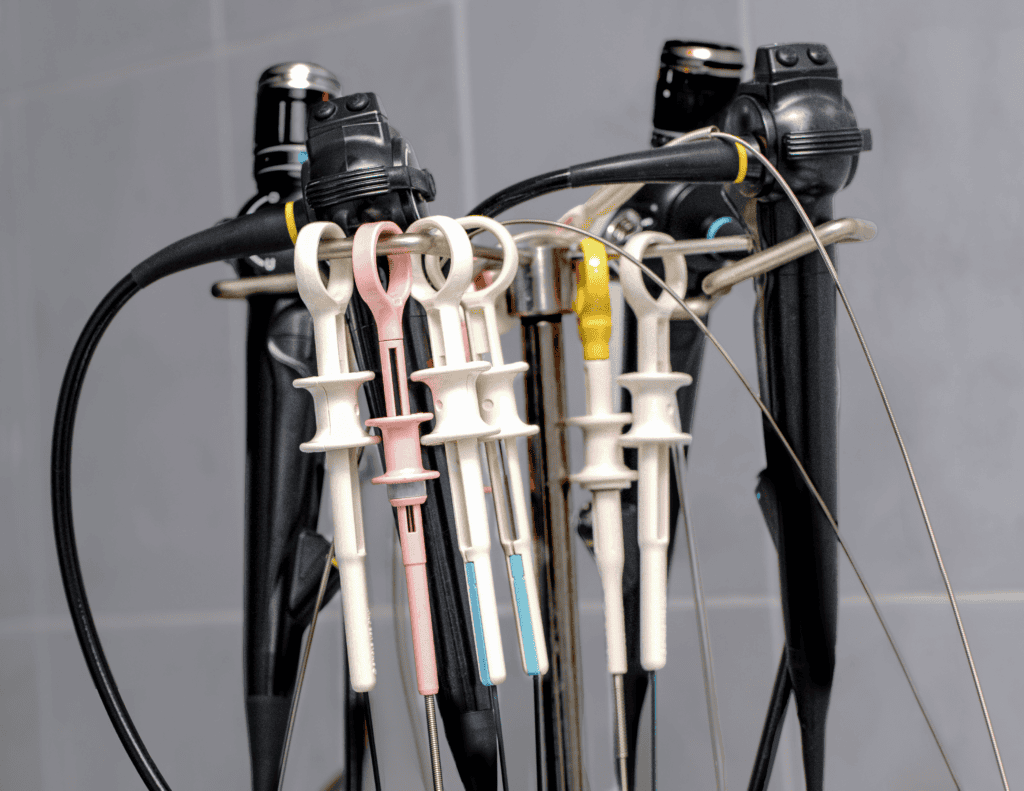
Every reusable surgical device is expected to be safe for the next patient, but achieving reliable sterility can be challenging when instruments have complex designs, long lumens, or cannot tolerate chemicals, heat, or steam. Understanding how terminal sterilization can provide validated sterility assurance may be an important part of managing that risk.
Reducing Contamination Risk
For complex surgical devices, the risk of residual contamination can be a serious concern. Preventing healthcare-associated infections (HAIs) is essential for patient safety and risk management.
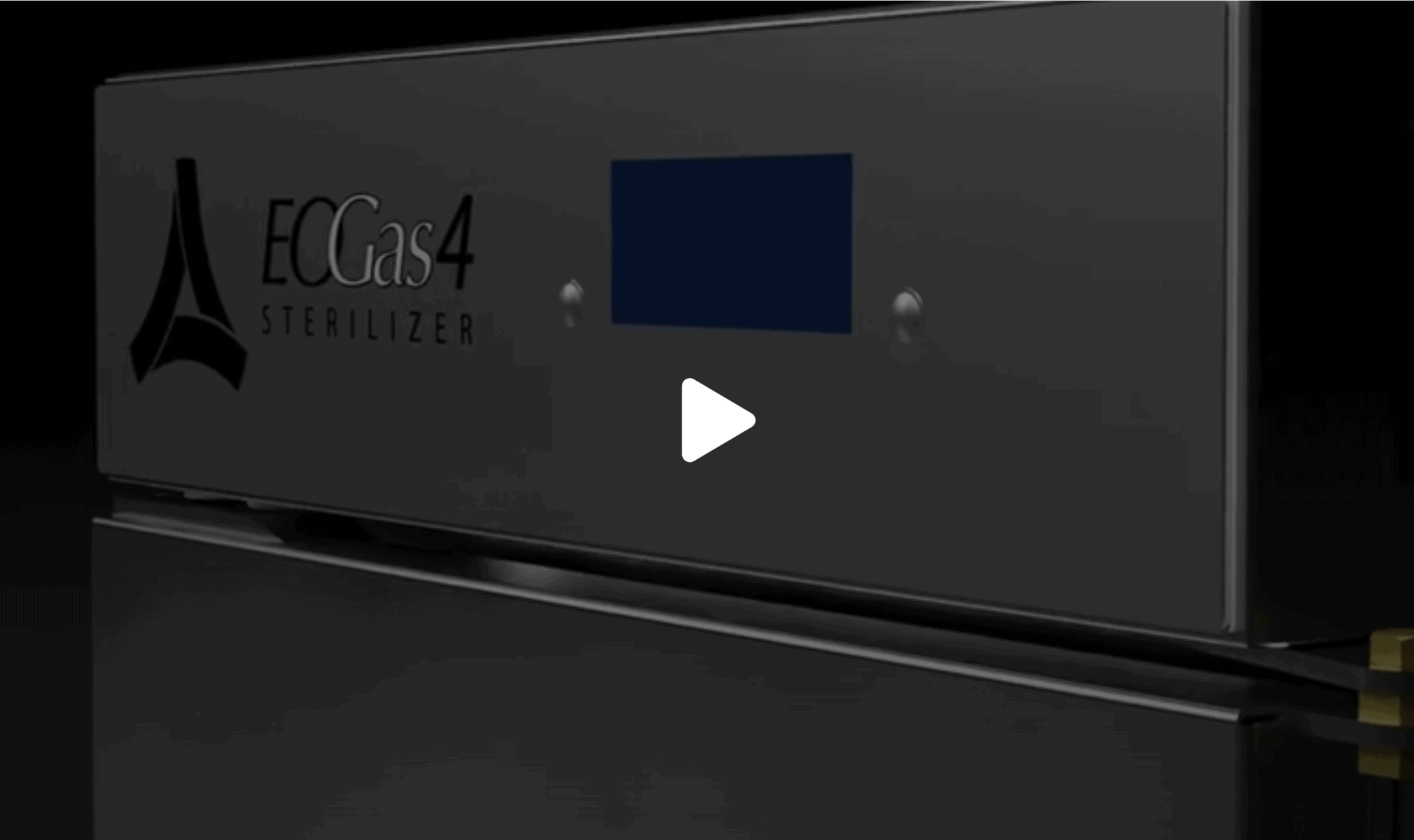
Andersen Sterilizers’ low-temperature ethylene oxide (EO) technology provides a validated solution that is gentle yet effective. Our systems use proprietary Ethylene Oxide Flexible-Chamber Technology (EO-FCT) to achieve a 10⁻⁶ Sterility Assurance Level (SAL) and are FDA-cleared to sterilize complex devices, including the longest lumen scopes. Using just 17.6 grams of EO per cycle, this low-temperature sterilization method provides sterility assurance and protects patients from harmful HAIs while preserving sensitive devices.
EO Sterilization Can Prevent HAIs
Hospital-acquired infections are some of the most serious and preventable risks patients face when undergoing surgery. Every year, millions of people around the world contract infections during hospital stays, which can have consequences for both the patient and the facility where they were treated. But with proven tools like ethylene oxide sterilization, hospitals have a powerful defense. Ethylene oxide penetrates deep into materials and packaging, reaching the hardest-to-access surfaces and ensuring even the most complex instruments are sterile inside and out.
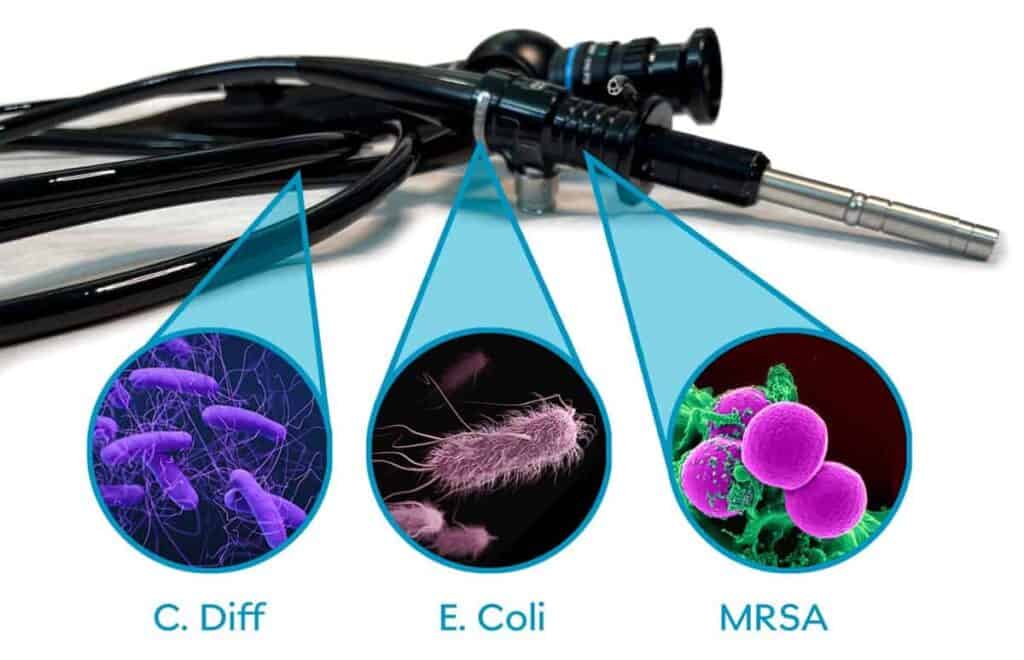
EO sterilization is lethal against:
- Bacteria like E. coli and Staph aureus
- Viruses such as HIV, hepatitis B and C
- Fungal spores like Candida
- Resistant microorganisms like Clostridium difficile
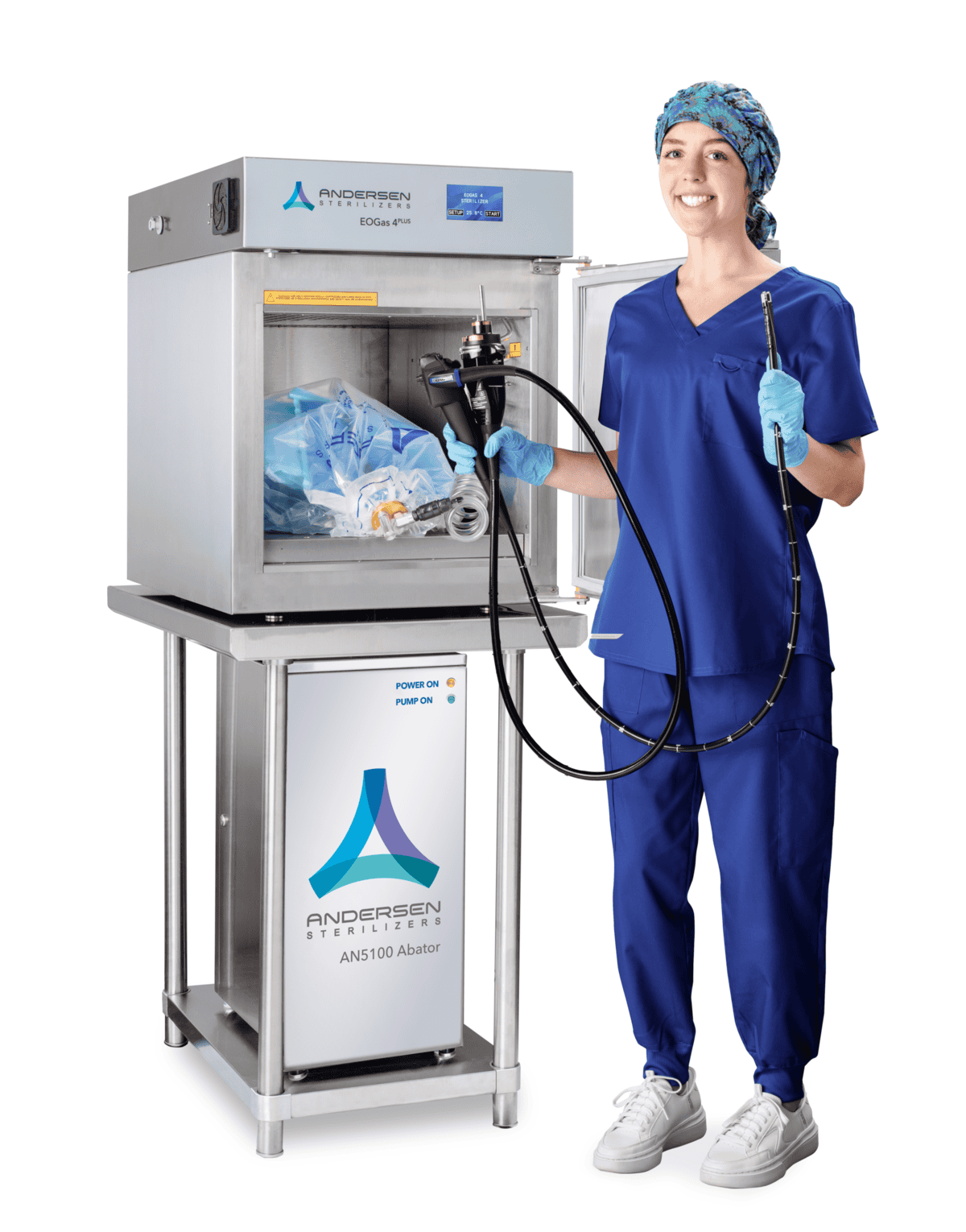
These are the very pathogens that cause infections after surgeries, catheter use, and invasive procedures. Andersen’s EO sterilizers like the EOGas 4PLUS can stop these infections before they start. By effectively sterilizing complex and delicate medical devices at 10⁻⁶ SAL, our technology can prevent infections, protect vulnerable patients, and support safe, high-quality care.
Benefits of Low-Dose EO Sterilization in Healthcare
Beyond sterility assurance and contamination prevention, EO-Flexible Chamber Technology offers many benefits for healthcare facilities.
Low Dose
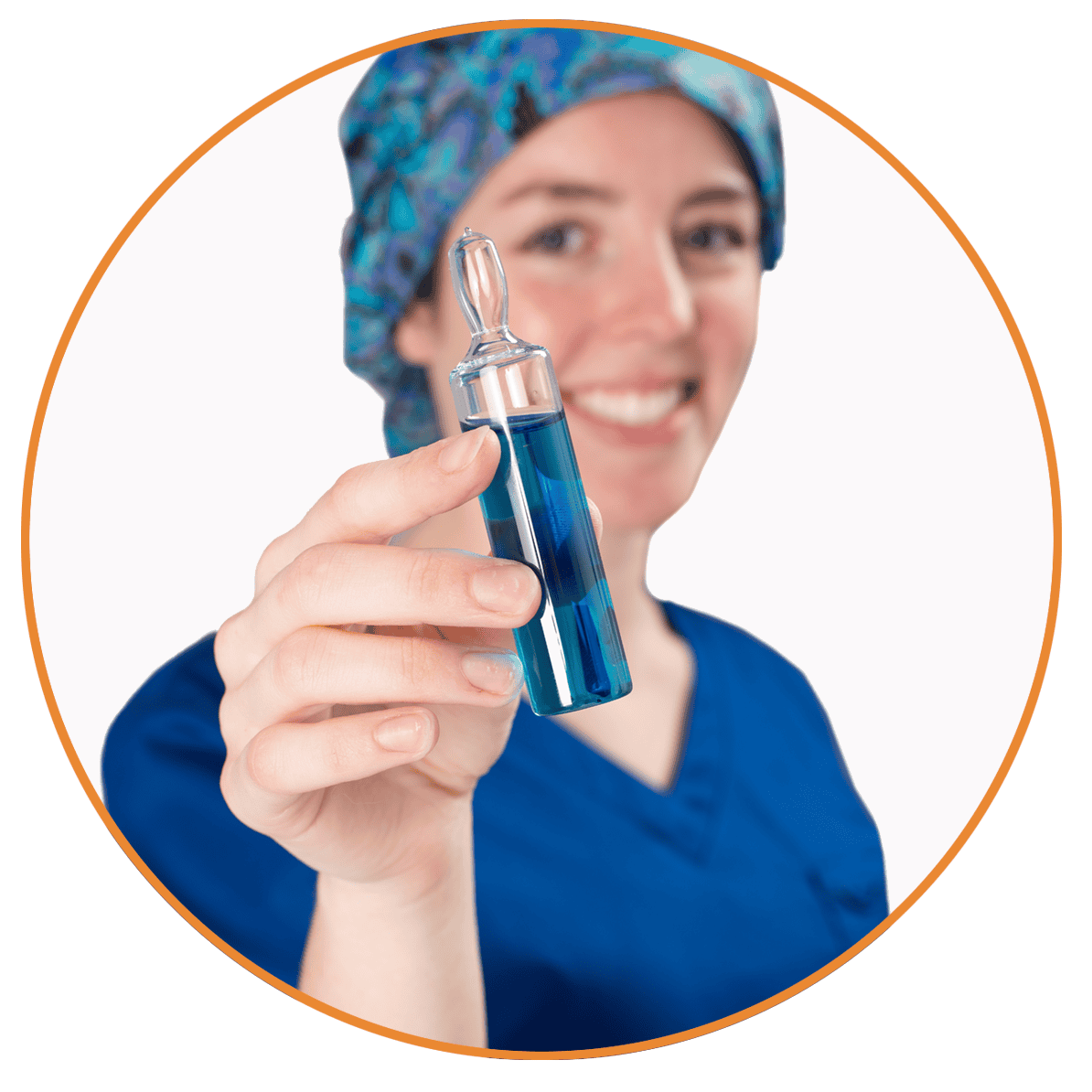
Andersen’s EOGas 4PLUS features EO-FCT, which allows the system to use just 17.6 grams of EO per cycle—90% less EO than traditional rigid chamber systems. Using a small dose of EO limits the risk of accidental exposure, reduces emissions, and streamlines the aeration process for faster turnaround times. This technology aligns with the latest safety mandates while preserving the delicate polymers and electronics found in modern surgical tools.
Low-Temperature = High Compatibility
EO-FCT is a low-temperature process, making it suitable for heat- and moisture-sensitive instruments that may be damaged by other modalities. This process is highly compatible with delicate components such as fiber optics, specialized polymers, electronics, and complex assemblies. Preserving instrument integrity is more than just a financial consideration; damaged or degraded equipment can affect device performance, availability, and ultimately the ability to provide timely patient care. A sterilization process that is effective while being appropriately gentle on compatible devices can therefore support both patient safety and the longevity of high-value surgical technology.
Risk Management
A failure to properly sterilize a reusable critical device can have consequences ranging from procedure delays and instrument replacement to patient harm and potential litigation. The EOGas 4PLUS is FDA-cleared to sterilize even the longest lumens at 10⁻⁶ SAL, providing an important layer of risk mitigation.
EO sterilization is tightly regulated (ISO 11135, FDA guidelines) and validated through:
- Strict quality checks
- Routine monitoring
- Traceable sterilization cycles
This ensures consistency and peace of mind — for both healthcare professionals and patients.
Protect Your Patients, Preserve Your Instruments
Terminal sterilization is about more than achieving a number on a validation report. It is about protecting patients while preserving the instruments healthcare professionals depend on to deliver care. For complex, heat-sensitive devices that require a low-temperature sterilization modality, Andersen’s FDA-cleared technology is capable of achieving a 10⁻⁶ SAL and can help reduce infection risk, mitigate operational and clinical liability, and extend the useful life of devices. When integrated into a comprehensive reprocessing program, technologies such as Andersen’s EOGas 4PLUS can help healthcare organizations maintain the sterility assurance and device integrity that modern surgical care demands.
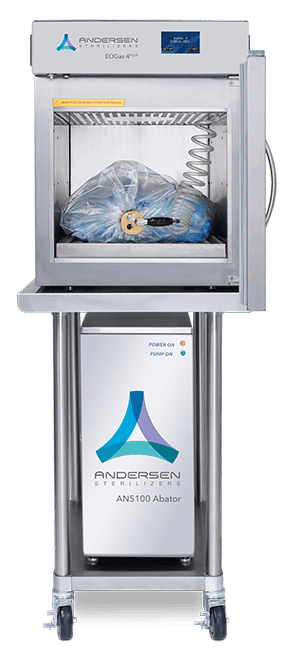
A sterilizer for every need.
Find out how our sterilizers can work for your practice.
Spread the Word

Expert Guidance for Your Needs
Tell us about your sterilization requirements — our experts are here to guide you to the perfect EO solution.