
Medical devices are often made from sensitive materials that degrade when exposed to heat, pressure, harsh chemicals or moisture. Complex devices—such as endoscopes, catheters, electronics, diagnostic instruments, and polymer-based instruments—require a sterilization method that eliminates microorganisms without damaging components, while still meeting regulatory standards and the demands of modern production and research environments.
Andersen’s breakthrough technology offers a solution that requires just a microdose of Ethylene Oxide (EO), delivering effective sterilization while preserving product integrity, supporting environmental responsibility, and maintaining workflow efficiency. At the center of this approach are Andersen’s EOGas 3 series sterilizers, offering several key benefits:
Gentle On Complex Devices and Medical Implants: Operates at a controlled temperature between 40-55°C (104-131°F) without steam or liquid chemicals, making it safe for heat- and moisture-sensitive devices.
Wide Material Compatibility: Safely sterilizes polymers, electronics, rubbers, composites and more without damage.
Low-Dose: Uses just 10.5g of EO per cycle to achieve terminal sterilization.
Designed For Efficiency: Processes multiple loads at once while using up to 90% less gas than rigid chamber systems.
Low Emissions: When paired with an Andersen Abator, over 99% of EO emitted from the exhaust stream is removed.
Validated Sterility: Designed to achieve the required 10⁻⁶ Sterility Assurance Level (SAL).
Ethylene oxide (EO) sterilization works by disrupting microbial DNA of pathogens, effectively destroying microorganisms while preserving device functionality—making it especially well-suited for complex devices, long lumens, and sensitive components.
Gentle on Devices = Wide Material Compatibility
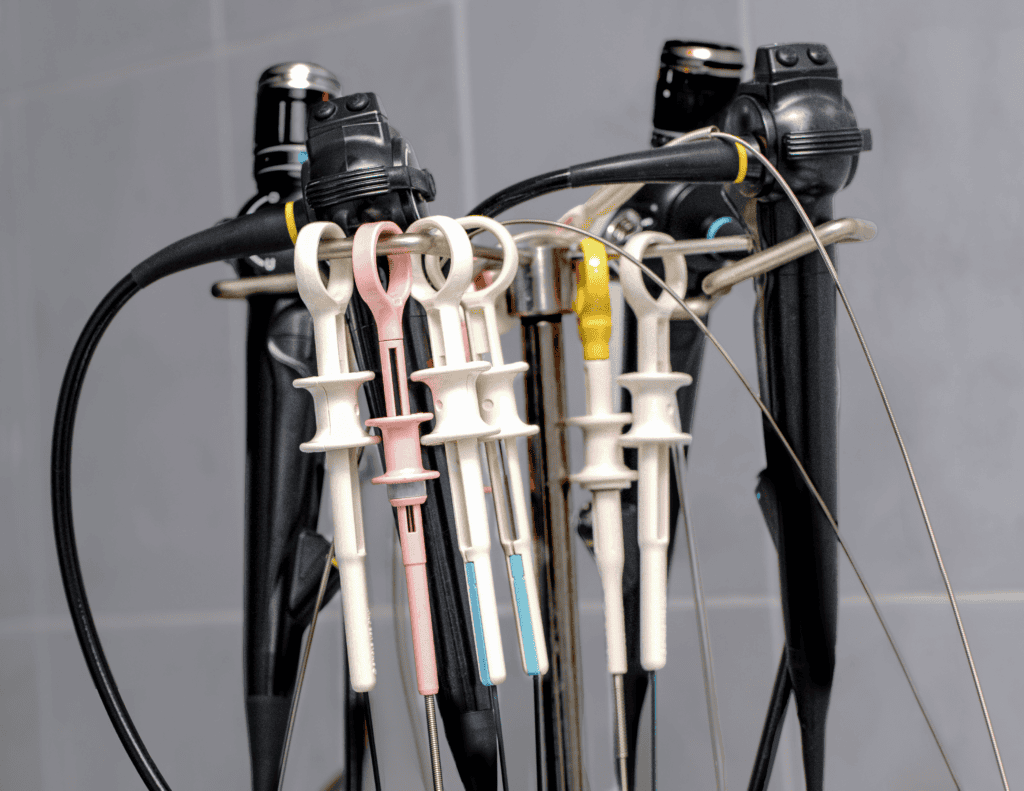
EOGas 3 systems sterilize at controlled temperatures—typically between 40–55°C—enabling effective microbial inactivation while preserving the structural and functional integrity of delicate materials. Andersen’s patented EO-Flexible Chamber Technology (EO-FCT) eliminates common causes of device deterioration, such as steam, harsh liquid chemicals, high pressure, or deep vacuum. Manufacturers can sterilize sensitive devices without risking deformation, corrosion, or material degradation. Barring food, drugs, and liquids, most devices can be safely and effectively sterilized using EO.
Andersen EOGas 3 sterilizers are compatible with:
- Multi-lumen assemblies and long lumens
- Polymer-based disposables
- Electronic surgical devices
- Fiber optics and imaging systems
- Drug-coated implants
- Plastics, cellulose and rubber materials
- Metals, paper, fabric and more
Low-Dose
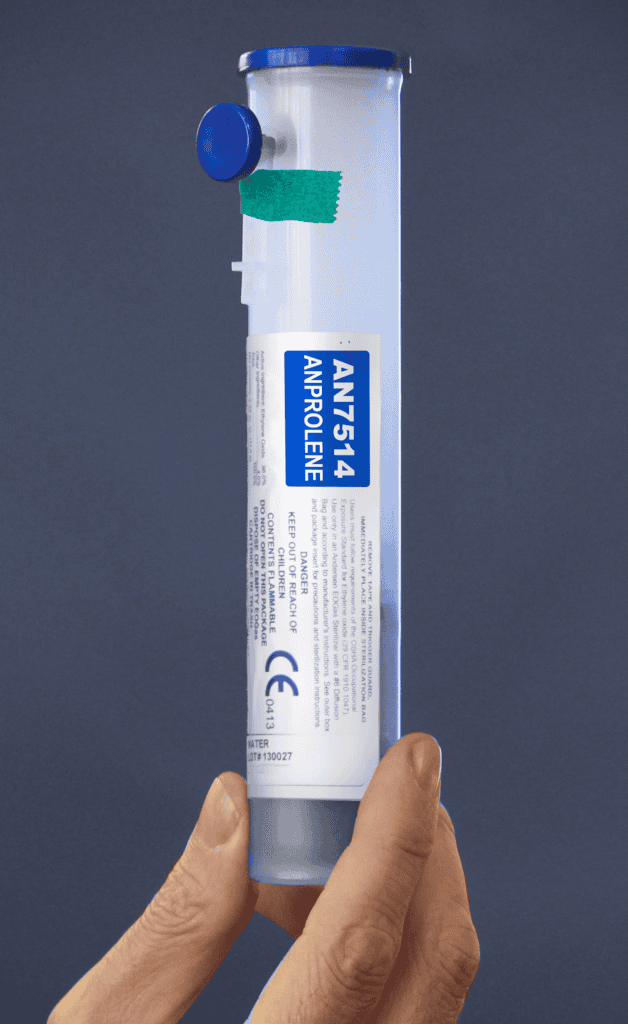
Traditional EO sterilization systems fill large chambers with sterilant gas, often requiring substantial EO volumes to ensure adequate penetration. This can lead to higher costs, longer aeration times, and greater environmental management requirements. The EOGas 3 utilizes EO-Flexible Chamber Technology (EO-FCT), which requires just a microdose of EO—10.5g of EO per cycle—to achieve terminal sterilization. That’s approximately 90% less gas than rigid-chamber EO systems! This approach poses less exposure risk to operator personnel, provides precise and gentle sterilization and minimizes environmental impact.
Designed For Efficiency
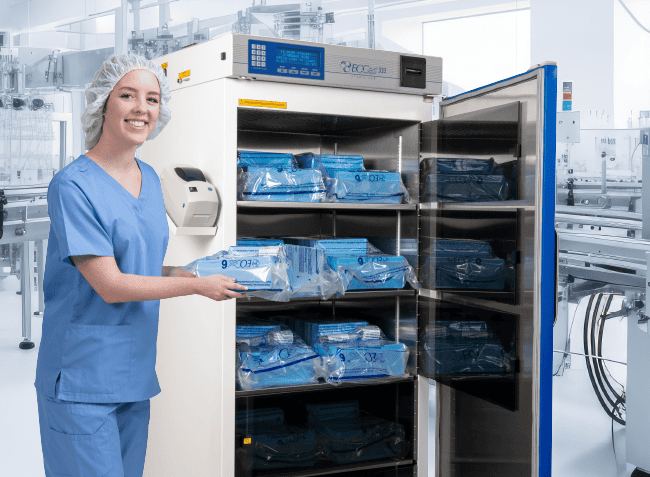
Production environments require sterilization solutions that support continuous workflows and rapid turnaround. EOGas 3 series sterilizers are designed to integrate seamlessly into manufacturing and research high-volume operations. Designed to accommodate up to 6-10 loads, the EOGas 3 series automatically monitors cycle progress and includes a built-in status printer. This allows manufacturers and researchers to maintain a validated production flow and efficiency.
Low Emissions
Environmental compliance is becoming increasingly important for research and medical device manufacturing facilities. Not only does the EOGas 3 use an extremely low dose of EO, but when paired with an Andersen abator, it also reduces significant emissions. The AN5200 Abator is designed to remove more than 99% of the EO emitted from the exhaust stream of an EOGas 310 or 333 sterilizer. The abator employs a dry catalyst resin that converts EO to biodegradable organic compounds. By minimizing EO usage with an EOGas 3 system and abator, facilities can significantly reduce their environmental footprint while simplifying regulatory compliance.
The Future Is EO Sterilization
As medical technologies become increasingly advanced, sterilization facilities must adapt to address new regulatory, environmental, and production requirements. Andersen’s EOGas 3 systems use a modern approach to ethylene oxide sterilization, built on gentle, low-dose, and efficient cycles with low emissions. Our technology supports high-volume workflows while enabling manufacturers and researchers to achieve a validated 10⁻⁶ sterility assurance level (SAL), preserve sensitive devices, and reduce environmental impact.
Spread the Word

Expert Guidance for Your Needs
Tell us about your sterilization requirements — our experts are here to guide you to the perfect EO solution.