
Patient safety in healthcare depends entirely on one critical process: the complete elimination of microorganisms from medical instruments. Every surgical procedure, every diagnostic test, and every medical intervention relies on sterile equipment. Without proper sterilization, patients face life-threatening infections from instruments that should protect them.
Medical device sterilization is not a single process but a collection of validated methods, each designed for specific materials and applications. The choice between steam, gas, radiation, and chemical sterilization can mean the difference between a device that functions properly and one that fails in critical moments.
Understanding Medical Device Sterilization Requirements
The FDA defines sterilization as a validated process that destroys or eliminates all forms of microbial life, including bacterial spores. This absolute standard leaves no room for compromise. A sterile device must achieve a sterility assurance level (SAL) of 10⁻⁶, meaning less than one chance in a million that any viable microorganism remains.
FDA Sterilization Categories
The FDA recognizes two primary categories of established sterilization methods. Category A methods have extensive safety records and recognized consensus standards. These include steam, dry heat, ethylene oxide, and radiation sterilization.
Category B methods demonstrate effectiveness but currently lack full consensus standards. Vaporized hydrogen peroxide, ozone, and certain gas plasma systems fall into this category. The FDA recently moved vaporized hydrogen peroxide from Category B to Category A following ISO 22441:2022 recognition.
Novel sterilization methods represent emerging technologies still in development. These require additional validation and regulatory review before widespread adoption. The FDA’s innovation challenge programs encourage the development of alternative methods that reduce environmental impact.
Ethylene Oxide Sterilization: For Heat-Sensitive Devices
Approximately 50% of all sterile medical devices in the United States undergo ethylene oxide (EO) sterilization. This low-temperature gas process handles complex devices that cannot withstand steam heat or moisture. For many sophisticated medical instruments, EO remains the only viable sterilization option.
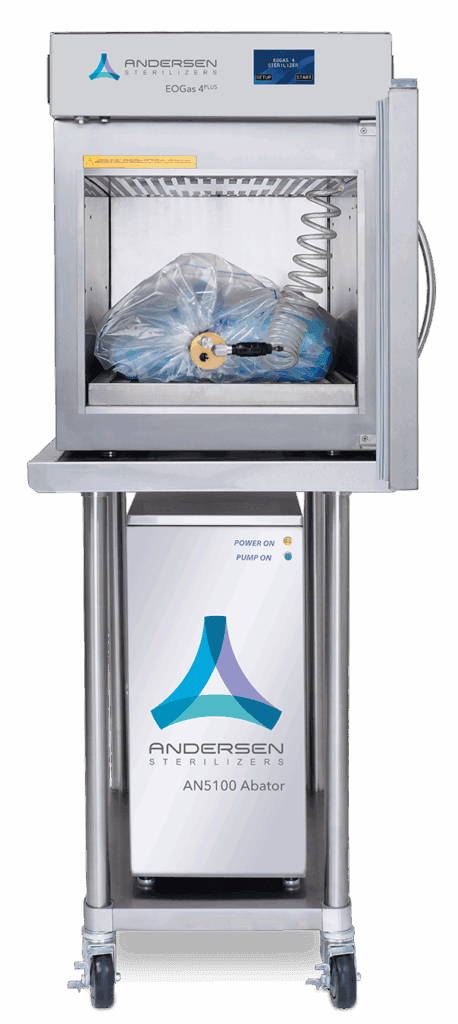
Andersen Sterilizers’ low-temperature EOGas 4PLUS sterilizer is the only system in the world cleared by the FDA to terminally sterilize the longest duodenoscopes and colonoscopes (≥ 1.2 mm ID, ≤ 3530 mm maximum length of any channel). Andersen’s tabletop sterilizers feature EO-Flexible Chamber Technology (EO-FCT). This award-winning technology enables EOGas 4PLUS and its other systems to achieve terminal sterilization using just a microdose of EO—90% less EO than any other system on the market. Unlike rigid-chamber systems, EO-FCT removes excess air from the sterilization bag (flexible chamber), increasing the concentration of EO, thus lessening the amount needed for terminal sterilization. Ethylene oxide is gentler than other modalities that degrade delicate medical devices. It will not damage these complex instruments
The EO Sterilization Process
Ethylene oxide sterilization operates through a carefully controlled three-phase cycle. The process begins with preconditioning, where products are brought to stable temperature and humidity levels. This step ensures consistent results and prepares microbial cells for gas exposure.
The sterilization phase introduces EO gas at concentrations between 450-1200 mg/L. Four critical parameters control effectiveness: gas concentration, temperature (37-63°C), relative humidity (40-80%), and exposure time (1-6 hours). These interdependent variables must be precisely balanced.
EO destroys microorganisms through alkylation, a chemical reaction that disrupts cellular proteins and nucleic acids. The gas penetrates breathable packaging materials and reaches all accessible surfaces, including long, narrow lumens and complex geometries.
The final aeration phase removes residual gas from sterilized products. Many materials absorb EO during sterilization and require extended aeration to reach safe residual levels. ISO 10993-7 establishes maximum allowable residuals based on device contact duration and tissue type.
Material Compatibility and Applications
EO sterilization accommodates a broader range of materials than any other method. Plastics, polymers, metals, glass, and composite materials all tolerate the low-temperature process. This versatility makes EO essential for modern medical devices.
Ideal candidates include:
- Endoscopes with long, narrow channels
- Catheters and tubing with complex geometries
- Electronic medical devices and implantable sensors
- Heart valves and vascular stents
- Surgical kits with mixed materials
- Pre-packaged sterile procedure trays
The gas penetrates the final packaging, allowing devices to be sterilized in their shipping containers. This capability streamlines manufacturing and distribution while maintaining sterility until the point of use.
Addressing Multidrug-Resistant Bacteria Challenges
Multidrug-resistant (MDR) bacteria present escalating challenges for medical device sterilization and reprocessing. These evolved pathogens can survive standard cleaning procedures that eliminate ordinary microorganisms. The threat has intensified with increased recalls of complex reusable devices.
Biofilm Formation Risks
Biofilms represent a critical concern for reusable medical devices. Microorganisms create protective matrices that shield them from chemical agents and sterilization processes. These structures form in hard-to-reach spaces within complex device designs.
Endoscopes with interconnected channels prove particularly vulnerable. Even after proper cleaning and disinfection, biofilms can persist in elevator channels, air-water ports, and other intricate areas. Carbapenem-resistant Enterobacteriaceae (CRE) outbreaks linked to contaminated duodenoscopes highlighted these risks.
Reprocessing Challenges
FDA data show an increase in device recalls related to microbial contamination between 2015 and 2019. The majority involved flexible endoscopes and other complex reusable instruments. These recalls underscore the difficulty of achieving consistent sterility with current reprocessing methods.
In some instances, human factors compound the technical challenges. Studies indicate approximately 57% of sterile processing staff lack complete qualifications for critical cleaning tasks. Inadequate training correlates with contamination findings in reprocessed surgical instruments.
Healthcare facilities must implement comprehensive surveillance programs. These systems track device-related infections and monitor reprocessing failures. Rapid response protocols help contain potential outbreaks involving resistant organisms.
Where possible, single-use devices eliminate reprocessing risks. For essential reusable instruments, validated terminal sterilization provides the highest assurance level.
Regulatory Framework and Compliance
Federal regulations establish clear requirements for medical device sterilization. The FDA’s Quality System regulations under 21 CFR Part 820 mandate that manufacturers validate and document their sterilization processes.
Premarket Review Requirements
Before sterile devices reach the market, the FDA reviews premarket submissions. Manufacturers must provide validation data demonstrating their chosen method achieves the required sterility levels. This includes:
- Process validation protocols and results
- Biological indicator challenge studies
- Material compatibility assessments
- Residual testing for chemical sterilants
- Routine monitoring procedures
Using FDA-recognized consensus standards streamlines regulatory review. Key standards include:
- ISO 11135 for ethylene oxide sterilization
- ISO 17665 for moist heat sterilization
- ISO 11137 for radiation sterilization
- ISO 22441 for vaporized hydrogen peroxide
Conformity with these standards demonstrates commitment to quality and patient safety.
Change Control Requirements
Manufacturers must report significant changes to sterilization processes. PMA holders typically submit supplements when altering their method, facility, or key process parameters. The specific requirements depend on the change’s nature and potential impact.
The FDA’s Master File Pilot Programs provide streamlined pathways for certain changes. Contract sterilizers can submit master files that device manufacturers reference, reducing regulatory burden while maintaining safety oversight.
Healthcare facilities that sterilize devices on-site must also maintain validated processes. Regular biological indicator testing, equipment maintenance, and staff training ensure consistent results.
Selecting the Right Sterilization Method
Choosing the appropriate sterilization method requires careful evaluation of multiple factors. Device material, design complexity, temperature sensitivity, and intended use all influence the decision.
Decision Criteria
Material compatibility tops the selection criteria. Heat-stable, moisture-resistant items naturally favor steam sterilization due to its speed, economy, and safety profile. Temperature-sensitive polymers and electronics require low-temperature alternatives.
Design complexity affects method suitability. Devices with long, narrow lumens need penetrating sterilants like EO gas. Simple, solid instruments tolerate almost any method. Porous materials require sterilants that penetrate and drain effectively.
Manufacturing volume and economics also matter. High-volume single-use devices benefit from radiation sterilization’s throughput. Low-volume or custom devices may use slower but more accessible methods.
Environmental considerations increasingly influence decisions. EO emissions face regulatory scrutiny, driving interest in alternative methods. Radiation sterilization requires specialized facilities. Each method presents different environmental profiles.
Emerging Alternatives
The FDA’s innovation challenge programs encourage the development of novel sterilization methods with reduced environmental impact. Promising alternatives include:
- Chlorine dioxide gas sterilization
- Vaporized peracetic acid systems
- Nitrogen dioxide sterilization
- Supercritical carbon dioxide processes
These emerging technologies offer potential advantages but require extensive validation before widespread adoption. Continued collaboration between manufacturers, sterilization providers, and regulators will drive advancement.
Our Role in Medical Device Sterilization
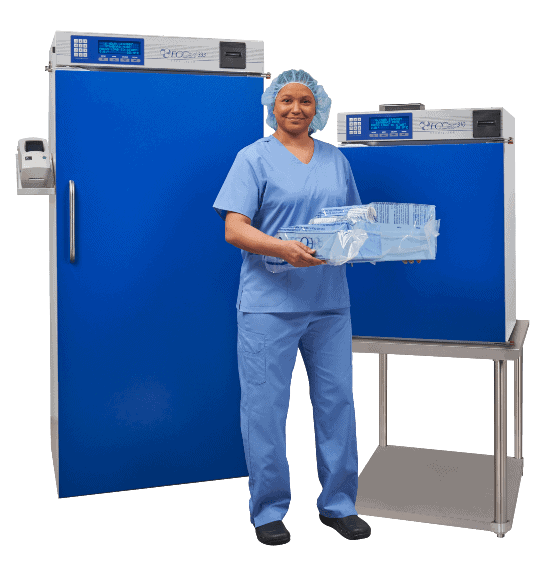
We provide comprehensive sterilization solutions for healthcare facilities that need reliable on-site processing capability. Our ethylene oxide sterilization equipment delivers consistent results while prioritizing safety for patients, staff, and the environment.
Our systems serve hospitals, surgical centers, veterinary clinics, and research facilities across multiple industries. We understand that each facility has unique requirements based on device mix, processing volume, and regulatory obligations.
From initial equipment selection through installation, validation, and ongoing technical support, we ensure facilities can depend on their sterilization processes. Our engineering expertise helps optimize cycle parameters for specific device portfolios while maintaining safety and efficacy.
The right sterilization method protects patients from healthcare-associated infections while preserving device functionality. Whether you need heat sterilization for routine instruments or specialized low-temperature processing for complex devices, proper implementation ensures safety and compliance.
Frequently Asked Questions
What is the most common sterilization method for medical devices?
Steam sterilization is most common in healthcare facilities for reusable instruments. However, ethylene oxide sterilization processes approximately 50% of all sterile single-use medical devices in the United States because many heat-sensitive devices have no alternative.
How long does ethylene oxide sterilization take?
A complete EO cycle, including preconditioning, sterilization, and aeration, typically requires 12-48 hours depending on materials and residual requirements. Our advanced systems reduce cycle times through optimized processes while maintaining required safety standards.
Can all medical devices be steam sterilized?
No. Steam sterilization works only for heat-stable, moisture-resistant materials. Electronic components, fiberoptic devices, many polymers, and moisture-sensitive items require alternative low-temperature methods like EO or hydrogen peroxide sterilization.
What is sterility assurance level (SAL)?
SAL represents the probability that a viable microorganism remains after sterilization. The standard requirement is 10⁻⁶, meaning less than one chance in a million that any microorganism survives. This ensures absolute sterility for critical medical devices.
How do you validate sterilization effectiveness?
We validate effectiveness through biological indicators containing highly resistant bacterial spores, chemical indicators that verify proper conditions, and parametric release data from sterilizer monitoring systems. All methods require documented validation demonstrating consistent achievement of required sterility levels.
Spread the Word

Expert Guidance for Your Needs
Tell us about your sterilization requirements — our experts are here to guide you to the perfect EO solution.