

Healthcare-associated infections remain a persistent risk across hospitals, surgical centers, and clinical environments. We see firsthand how contaminated or improperly reprocessed instruments contribute to surgical site infections, device-related bloodstream infections, and respiratory complications. Preventing these outcomes depends on reliable gas sterilization equipment that can achieve terminal sterility without compromising the integrity of modern medical devices.
Gas-based sterilization plays a critical role when heat and moisture introduce unacceptable risk. By using low-temperature processes, we ensure reusable and single-use instruments are fully sterilized before patient contact while preserving sensitive materials, electronics, and complex geometries. This approach aligns with established key methods of terminal sterilization used across healthcare environments.
Key Takeaways
- Gas sterilization equipment enables a validated 10⁻⁶ Sterility Assurance Level for heat- and moisture-sensitive devices.
- Low-temperature ethylene oxide processes reduce material degradation associated with steam or radiation.
- Flexible chamber systems lower gas usage, emissions, and cost per cycle by minimizing unused chamber volume.
- Proper gas sterilization workflows reduce healthcare-associated infection risk by improving consistency for complex devices.
Gas Sterilization Equipment and Healthcare-Associated Infections
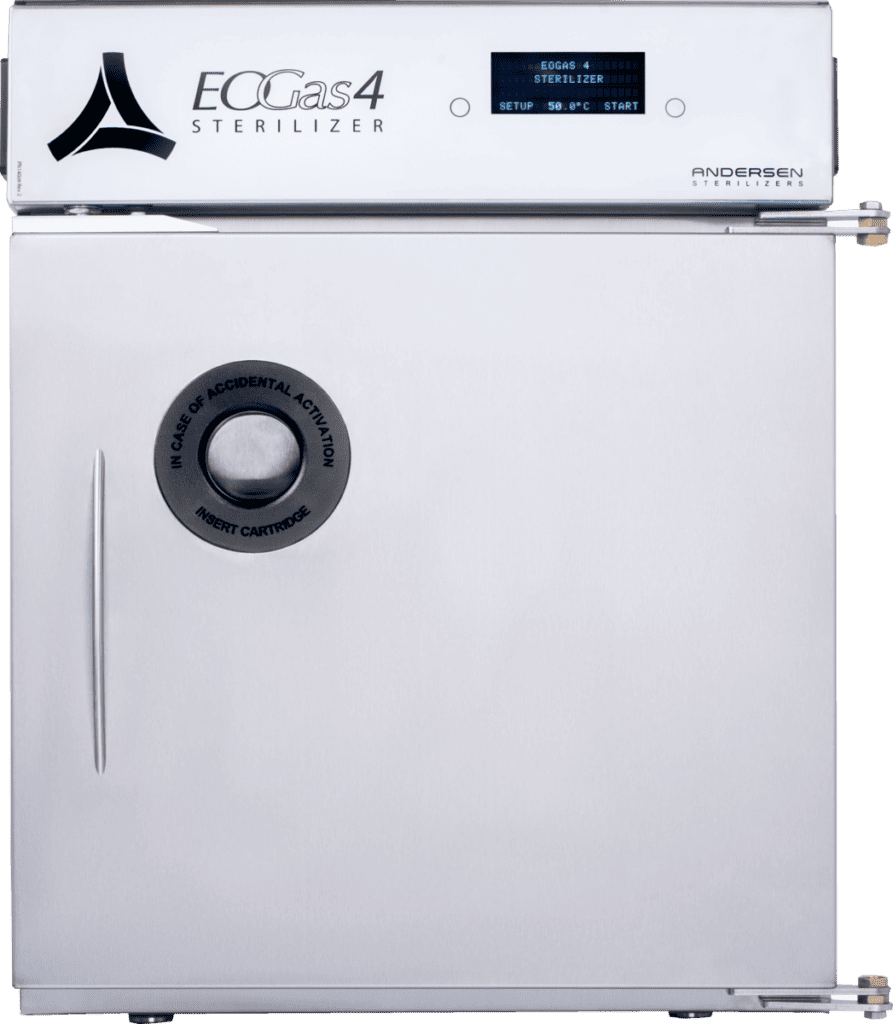 Andersen’s state-of-the-art EOGas 4® sterilizer is the only system in the world proven to eradicate all spores on the longest endoscopes.
Healthcare-associated infections often originate from reusable instruments that cannot tolerate aggressive thermal reprocessing. Surgical tools, endoscopes, catheters, and ventilator components all present infection risks when sterilization methods fail to reach internal lumens or sensitive surfaces. This challenge is especially relevant for facilities evaluating what types of items can undergo ethylene oxide sterilization as part of their infection control strategy.
Gas sterilization equipment addresses this risk by allowing sterilant gas to penetrate packaging and complex device structures, helping maintain sterility until the point of use and reducing cross-contamination between patients.
Why EO Gas Sterilization is Essential in Infection Control
EO gas sterilization is one of the most reliable and widely used sterilization methods in healthcare. It is particularly beneficial for medical devices that cannot withstand the high temperatures or moisture levels used in traditional sterilization methods like autoclaving. Here’s why EO gas sterilization is a critical tool in infection prevention:
1. Penetrates Complex Medical Devices
Medical instruments with intricate designs, such as endoscopes, catheters, and pacemakers, have small internal spaces that are difficult to sterilize with other methods. EO gas effectively penetrates these hard-to-reach areas, ensuring complete sterilization.
2. Sterilizes Pre-Packaged Medical Equipment
EO gas is capable of sterilizing medical devices that are already sealed in their packaging. This ensures that the equipment remains sterile until it is opened, preventing contamination between sterilization and usage.
3. Eliminates a Wide Range of Pathogens
EO gas sterilization is effective against bacteria, viruses, fungi, and even resistant spores that might survive other sterilization techniques. This broad-spectrum antimicrobial action significantly reduces the risk of HAIs.
4. Protects Heat- and Moisture-Sensitive Equipment
Medical devices made of plastic, rubber, or electronics can be damaged by heat-based sterilization methods. EO gas sterilization provides a low-temperature solution that preserves the integrity of these materials while ensuring complete sterility.
5. Ensures Compliance with Infection Control Standards
Regulatory bodies such as the FDA, CDC, and World Health Organization (WHO) emphasize the importance of proper sterilization in healthcare settings. EO gas sterilization meets strict sterility standards, helping healthcare facilities comply with infection control guidelines.
By incorporating EO gas sterilization into their infection prevention strategies, healthcare facilities can significantly reduce the risk of HAIs and improve patient safety.
The Role of EO Gas Sterilization in Preventing HAIs
EO gas sterilization is a critical component in reducing the transmission of healthcare-associated infections. Here’s how it actively contributes to infection prevention:
1. Preventing Surgical Site Infections (SSIs)
Surgical instruments, implants, and wound dressings must be 100% sterile before use to prevent infections. EO gas sterilization ensures that even the most delicate and complex surgical tools are bacteria-free, significantly reducing post-surgical infection risks.
2. Reducing the Spread of Device-Related Infections
Medical devices such as catheters, ventilators, and dialysis machines can introduce bacteria into a patient’s body if not properly sterilized. EO gas sterilization eliminates microbial contaminants, reducing the risk of bloodstream infections, pneumonia, and urinary tract infections.
3. Maintaining a Sterile Healthcare Environment
By sterilizing reusable medical equipment, healthcare providers can minimize cross-contamination and lower the risk of HAIs.
4. Ensuring Safe Use of Single-Use Medical Devices
Many single-use medical items, such as syringes, gloves, and wound dressings, are sterilized using EO gas before being shipped to healthcare facilities. This ensures that these items remain free from contamination before they reach patients.
By leveraging the benefits of EO gas sterilization, healthcare providers can significantly reduce the incidence of HAIs and enhance overall patient safety.
Achieving Terminal Sterility with Ethylene Oxide
Ethylene oxide remains the benchmark for terminal sterilization when devices cannot withstand heat or moisture. By achieving a 10⁻⁶ Sterility Assurance Level, EO gas ensures complete microbial inactivation without structural compromise. This capability is critical for complex endoscopes and multi-lumen devices, including those validated through FDA clearance for duodenoscopes.
Clinical-grade systems such as the EOGas 4® low-temperature EO sterilizer are engineered to support validated sterilization of long and intricate lumens while preserving device integrity across repeated cycles.
Proprietary Flexible Chamber Technology Advantages
Traditional rigid-chamber sterilizers consume excess gas to fill unused space. Flexible chamber technology improves efficiency by conforming to the load and enabling precise gas delivery.
- Reduced gas consumption per cycle
- Lower emissions and improved operator safety due to smaller EO volumes
- Consistent sterilant penetration regardless of load size
This design supports lower overall EO output while maintaining validated sterilization outcomes for complex devices.
Low-Temperature Processing for Sensitive Instruments
Modern healthcare depends on micro-instruments, fiber optics, and advanced electronics that cannot tolerate thermal stress. Gas sterilization equipment enables repeated reprocessing without clouding lenses, degrading polymers, or damaging circuitry. This directly extends device lifespan and reduces replacement costs while maintaining uncompromised sterility, particularly for devices identified within what types of items can undergo ethylene oxide sterilization guidance.
Maximizing Device Longevity with Advanced Gas Sterilization Equipment
Selecting FDA-cleared gas sterilization equipment allows us to protect high-value assets while maintaining rigorous infection control. Low-temperature EO systems support both reusable and single-use devices, improve workflow efficiency, and reduce long-term operational expenses. Facilities that integrate these systems benefit from consistent sterility outcomes, regulatory confidence, and improved patient safety.
Our broader portfolio of sterilization products is designed to support healthcare and manufacturing environments that require reliable, compliant sterilization solutions across varying device types.
Strengthening Infection Prevention Through the Right Sterilization Strategy
Preventing healthcare-associated infections requires matching the sterilization method to the device. By integrating advanced gas sterilization equipment alongside thermal processes, we help facilities protect patients, preserve critical instruments, and maintain regulatory confidence. For expert guidance on system selection or workflow optimization, we encourage you to contact our team to discuss the right approach for your environment.
Frequently Asked Questions
Why is gas sterilization equipment preferred for sensitive medical devices?
Gas sterilization operates at low temperatures, allowing us to achieve terminal sterility without damaging materials, electronics, or intricate device structures.
How does EO gas prevent healthcare-associated infections?
EO penetrates complex devices and packaging, eliminating microorganisms that cause surgical site, bloodstream, and respiratory infections.
Is EO sterilization safe for patients and staff?
When done correctly and allowed to air out, EO sterilization is safe for patients and staff, following regulations that reduce the risk of exposure.
Can gas sterilization be used for packaged devices?
Yes. Gas sterilization equipment is specifically designed for terminal sterilization of packaged medical devices.
How does flexible chamber technology reduce environmental impact
By conforming to the load volume, flexible chambers reduce gas usage and emissions per cycle, supporting safer and more sustainable operations.
Where does gas sterilization fit within an infection prevention strategy?
It complements high-temperature methods by addressing devices that cannot tolerate heat, creating a complete and adaptable sterilization program.
Spread the Word

Expert Guidance for Your Needs
Tell us about your sterilization requirements — our experts are here to guide you to the perfect EO solution.